
Rugby jersey materials affect how a shirt feels, performs, and lasts. If you want a jersey that stays comfortable and looks good over time, the fabric matters as much as the design.
Many fans focus on the team badge first, but the material decides whether the jersey feels light, durable, or easy to care for. That is why this guide breaks down the main fabric types, their strengths, and how to choose the right one for your needs. You can also browse more options through our jersey collections.
Why Rugby Jersey Materials Matter
The right material changes the whole wearing experience. A jersey can look great online, but the fabric determines how it performs in real life.

Comfort, performance, and durability
Some fabrics feel soft and relaxed, while others focus on performance and structure. If you wear jerseys often, comfort and durability should both matter. For match day or active wear, performance fabric usually makes more sense.
How fabric affects fit and wear
Fabric weight and stretch affect how a jersey sits on your body. Thicker fabric often feels more structured, while lighter fabric feels easier to move in. If you want a better fit, always check the product details before you buy.
Common Rugby Jersey Fabrics
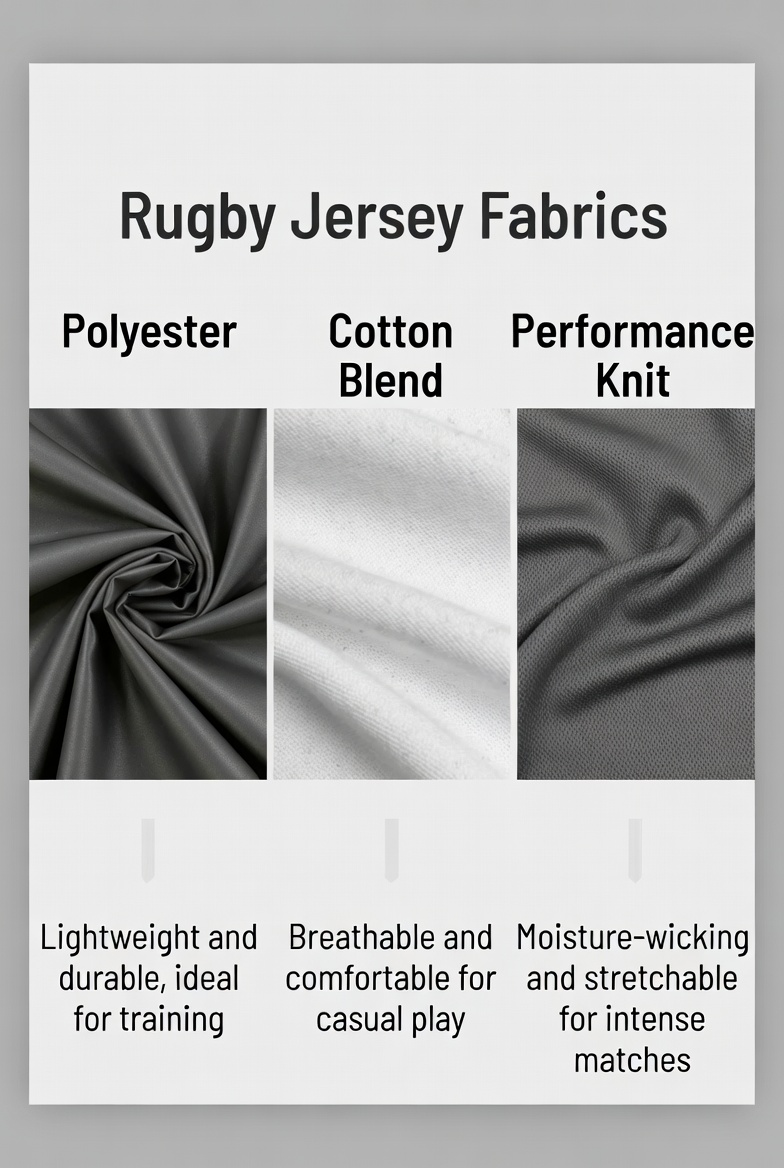
Most rugby jerseys use a few main fabric types. Each one offers a different balance of comfort, breathability, and strength.
Polyester jerseys
Polyester is one of the most common sports fabrics. It dries quickly, resists wrinkles, and works well for active use. Many rugby shirts use polyester because it holds shape and handles repeated wear.
Cotton blends
Cotton blends feel softer and more casual. They are often better for everyday wear than for intense physical use. If you want a relaxed look, this type of fabric can be a strong choice.
Performance knit fabrics
Performance knit fabrics are built for movement and airflow. They often support a more athletic fit and can feel more premium. These fabrics work well when you want a jersey for training, match day, or regular fan wear.
Moisture-Wicking and Breathability
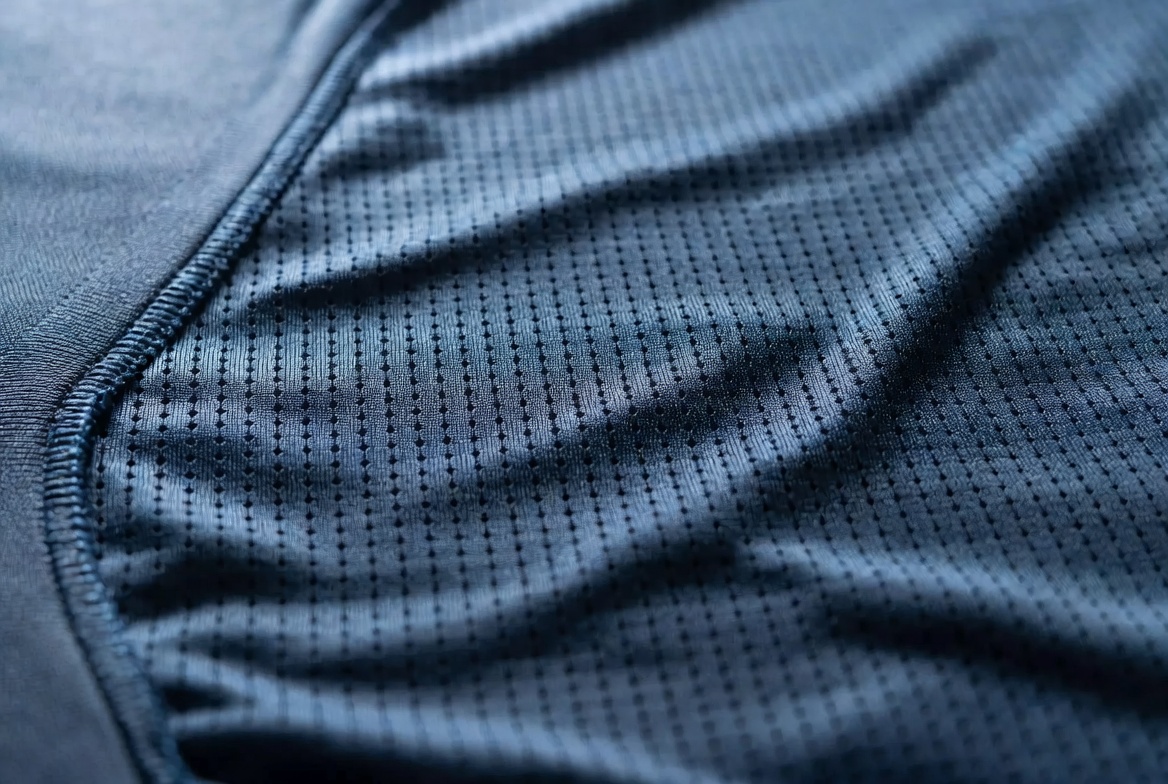
A jersey should help you stay comfortable when the temperature rises. That is where moisture-wicking and breathability come in.
How moisture-wicking fabric works
Moisture-wicking fabric pulls sweat away from your skin. This helps the jersey dry faster and reduces that heavy, sticky feeling. It is one of the most useful features for performance wear.
Why breathable materials keep you cooler
Breathable fabrics let air move through the shirt more easily. That airflow helps keep your body cooler during warm weather or active use. If you plan to wear your jersey often, breathability should rank high on your list.
Durability and Stitching Quality
A good jersey should last through repeated wear and washing. Material is important, but stitching and construction matter too.
What strong stitching tells you
Strong stitching usually means the jersey can handle more use over time. Look closely at seams, collar edges, and sleeve joins. Clean stitching is often a sign of better construction.
How to spot a jersey built to last
A jersey built to last usually keeps its shape and color after multiple washes. It should also feel balanced in hand, not flimsy or overly thin. If you care about long-term value, pay attention to both fabric and finishing.
Choosing the Right Material for Your Needs
There is no single best fabric for everyone. The right choice depends on how you plan to wear the jersey.
Best materials for match day
For match day, performance fabrics and polyester blends often work best. They support movement, handle sweat, and keep the jersey looking sharp. If you want a game-ready feel, choose something with a more athletic structure.
Best materials for everyday wear
For casual wear, softer blends may feel better. They offer comfort and work well with jeans, shorts, or jackets. If your goal is style and comfort, a relaxed fabric often makes more sense.
Best materials for collectors
Collectors often care about print quality, structure, and condition. A jersey with good fabric and strong stitching keeps its value better over time. If you collect special editions, store them carefully and avoid harsh washing.
How to Care for Rugby Jersey Fabrics
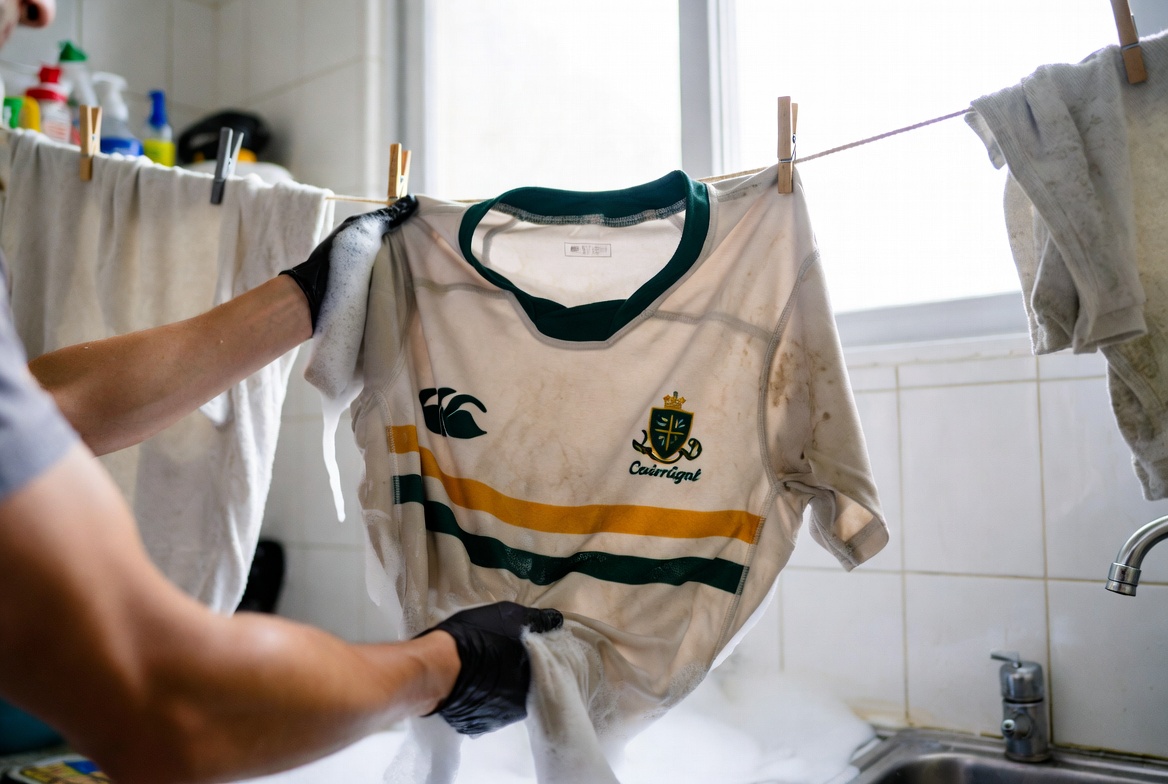
Good care helps your jersey last longer. It also protects color, stitching, and print details.
Washing tips to protect print and stitching
Wash jerseys inside out with cold water when possible. Use a gentle cycle and mild detergent. Avoid bleach, because it can damage both fabric and graphics.
Drying and storage best practices
Air drying is usually safer than machine drying. Keep jerseys out of direct sunlight for long periods. Fold them neatly or hang them in a cool, dry place to help them hold shape.
What to Check Before You Buy
Reading product details carefully can save you from disappointment. Fabric names, fit notes, and care instructions all matter.
Reading product descriptions carefully
Look for material composition, fit style, and care guidance on the product page. These details tell you how the jersey will feel and how it should be maintained. If a description is vague, compare it with another product before buying.
Comparing fabric details across jerseys
Different jerseys from the same team can still use different materials. That is why comparing product pages helps you make a better decision. If you want a closer look at different styles, visit our rugby apparel selection and compare the options directly.
Final Thoughts on Rugby Jersey Materials
The best rugby jersey material depends on your purpose, comfort needs, and how often you will wear it. Polyester and performance fabrics suit active use, while cotton blends often work better for casual wear.
If you want a jersey that feels good and lasts longer, do not look at the design alone. Check the fabric, stitching, and care instructions before you decide. For more team options and material-focused product choices, explore our collections.
Frequently Asked Questions
What is the best material for a rugby jersey?
The best material depends on your use case. Polyester and performance fabrics usually work best for active wear, while cotton blends can feel better for casual use.
Are polyester rugby jerseys comfortable?
Yes, many polyester jerseys feel light and practical. They also dry quickly and hold shape well. Comfort improves when the jersey has a good fit and soft finishing.
Do cotton rugby jerseys last as long as performance fabrics?
Cotton jerseys often feel softer, but performance fabrics usually handle frequent wear better. If durability matters most, a performance blend is often the safer choice.
How do I wash a rugby jersey without damaging it?
Wash it inside out with cold water and mild detergent. Use a gentle cycle and avoid bleach. Air drying is usually the safest option.
What makes a rugby jersey breathable?
Breathability comes from the fabric structure and airflow. Lightweight materials and moisture-wicking finishes usually help the jersey stay cooler and more comfortable.
If you want to compare more jerseys by fabric, fit, and team style, browse our jersey collections and choose the one that fits your needs best.